Skip to content
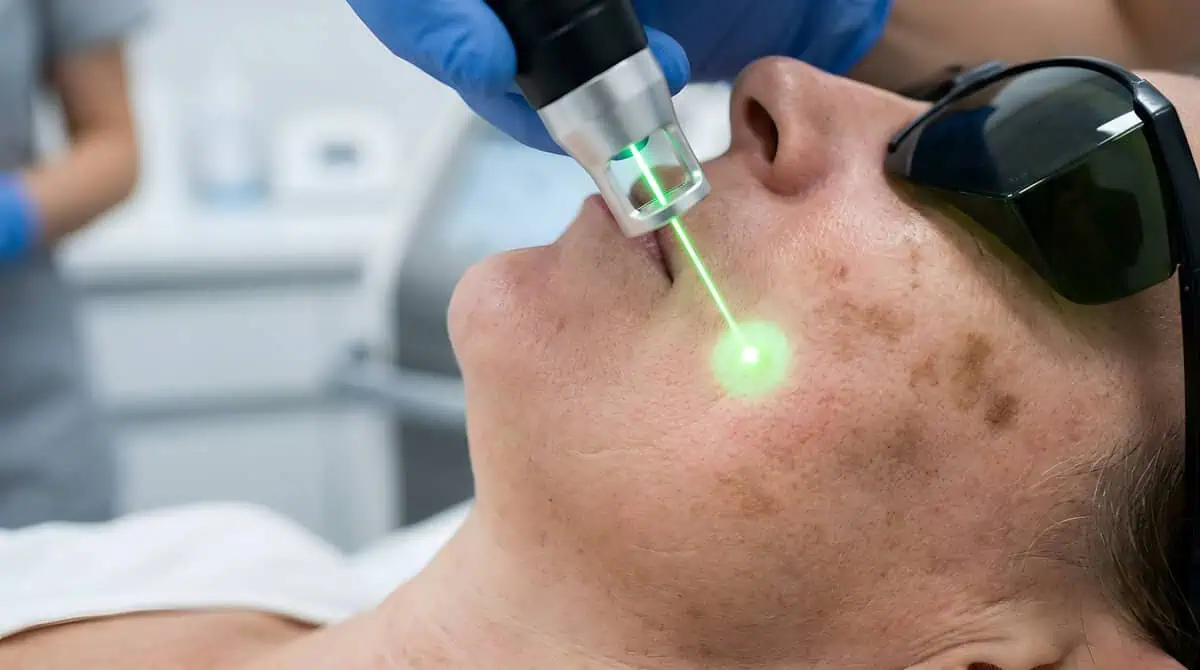
Table of Contents
If your cheeks flush at the first sip of wine, the first warm day of spring, or for no reason you can pin down, rosacea is likely behind it. It shows up as lingering redness, small visible blood vessels, and sometimes bumps that look like acne but do not respond to acne products. Creams and trigger management help, yet they rarely address the visible redness already set into the skin. That is the part Rosacea laser treatment is built to address.
At Posh Aesthetics in Murrells Inlet, SC, we use laser technology to target the redness and broken capillaries at the source. Here is what actually causes rosacea and how a laser can quiet it down.
What Is Rosacea?
Rosacea is a chronic inflammatory skin condition that mostly affects the central face, meaning the cheeks, nose, chin, and forehead. It is common, not caused by poor hygiene, and tends to come and go in flare-ups rather than remain constant.
Most people notice one or more of these rosacea symptoms:
- Persistent flushing or redness across the cheeks and nose
- Small visible blood vessels, known clinically as telangiectasia
- Bumps or pimple-like breakouts that do not behave like typical acne
- Stinging, burning, or a feeling of sensitivity
Rosacea also comes in different subtypes, so it looks different from one person to the next. One patient may deal mostly with redness and visible vessels, while another struggles with bumps. Because of that variation, treatment works best when it is matched to how rosacea actually presents on your skin.
What Causes Rosacea and What Triggers Flare-Ups?
The exact rosacea causes are not fully settled, but researchers point to a mix of genetics, an overactive immune response, and a blood vessel system that reacts more than it should. These underlying factors set the stage. Specific triggers are what set off an individual flare.
Common triggers include:
- Sun exposure, one of the most frequently reported culprits
- Heat, hot drinks, and spicy food
- Alcohol, especially red wine
- Emotional stress
- Sudden temperature swings
- Harsh skincare ingredients like alcohol-based toners or strong exfoliants
The vascular piece is worth understanding because it explains so much of what you see in the mirror. In rosacea-prone skin, the small blood vessels near the surface dilate easily and then stay dilated.
That is what creates the lasting redness and the fine visible capillaries that never quite fade. Since so much of the visible problem is vascular, treatments that target those blood vessels tend to make the biggest difference.
Why Skincare and Topicals Alone Often Fall Short?
Topical products and trigger management remain integral to long-term rosacea care. Prescription creams can calm inflammation, reduce bumps, and keep flares more controlled, and avoiding known triggers reduces how often the skin reacts.
What creams cannot do is remove the broken capillaries and diffuse background redness that are already established in the skin. A topical can quiet inflammation, but it will not collapse a dilated vessel that has become a permanent fixture. That established redness is exactly what a light-based facial redness treatment is designed to reach.
How Do Laser Treatments Help With Rosacea?
Laser treatment for rosacea works through a process called selective photothermolysis, which sounds complicated but is fairly simple in practice. The laser delivers focused light at a wavelength absorbed by hemoglobin, the red pigment in your blood vessels. That light heats the dilated vessels responsible for redness, and once they collapse, the body gradually clears them away.
Over a series of sessions, most patients see:
- Noticeably less visible redness across the face
- Fewer prominent capillaries
- A more even, calmer overall skin tone
Laser also stimulates collagen and improves overall skin quality, so texture often improves alongside redness. It is worth being honest about what this does and does not do. Rosacea laser treatment helps manage the condition and improve its appearance. It does not cure rosacea because rosacea is chronic, and most patients benefit from occasional maintenance sessions to hold their results.
What to Expect From Aerolase Laser Treatment for Rosacea?
At Posh Aesthetics, the Aerolase Neo Elite is well-suited for rosacea. It is a gentle laser that also treats acne and hyperpigmentation, and it works well on redness without the harshness some older devices carried.
For most patients, the experience is straightforward:
- No numbing cream is typically needed
- Minimal to no downtime, so you can return to your day
- The full affected area is treated, not just isolated spots
- A series of sessions is usually recommended, with results building gradually rather than all at once
We also offer the Aerolase Era, though it serves a different purpose. The Era is aimed at skin resurfacing to soften fine lines, wrinkles, and scars, so it focuses on texture and tone. For rosacea specifically, where calming redness and clearing visible vessels are the priority, the Neo Elite is usually the better match.
Is Laser Right for Your Rosacea?
Good candidates for redness reduction treatment are people dealing with persistent redness, visible blood vessels, and flushing who want results that topicals have not delivered. If your rosacea shows up mainly as color and vessels rather than only bumps, laser tends to be a strong fit.
One important detail with any light-based treatment is skin tone. During your visit, we also review your current medications, any recent sun exposure, and your skin sensitivity.
None of this is meant to gatekeep. It simply means suitability is confirmed in person during a consultation for Rosacea Treatment in Murrells Inlet, SC, rather than assumed from a website.
Ready to Calm the Redness for Good?
Rosacea may be chronic, but living with constant facial redness does not have to be your normal. Laser Treatment in Murrells Inlet offers a way to address the vascular root cause of redness that creams leave behind, with a gentle approach and little to no downtime.